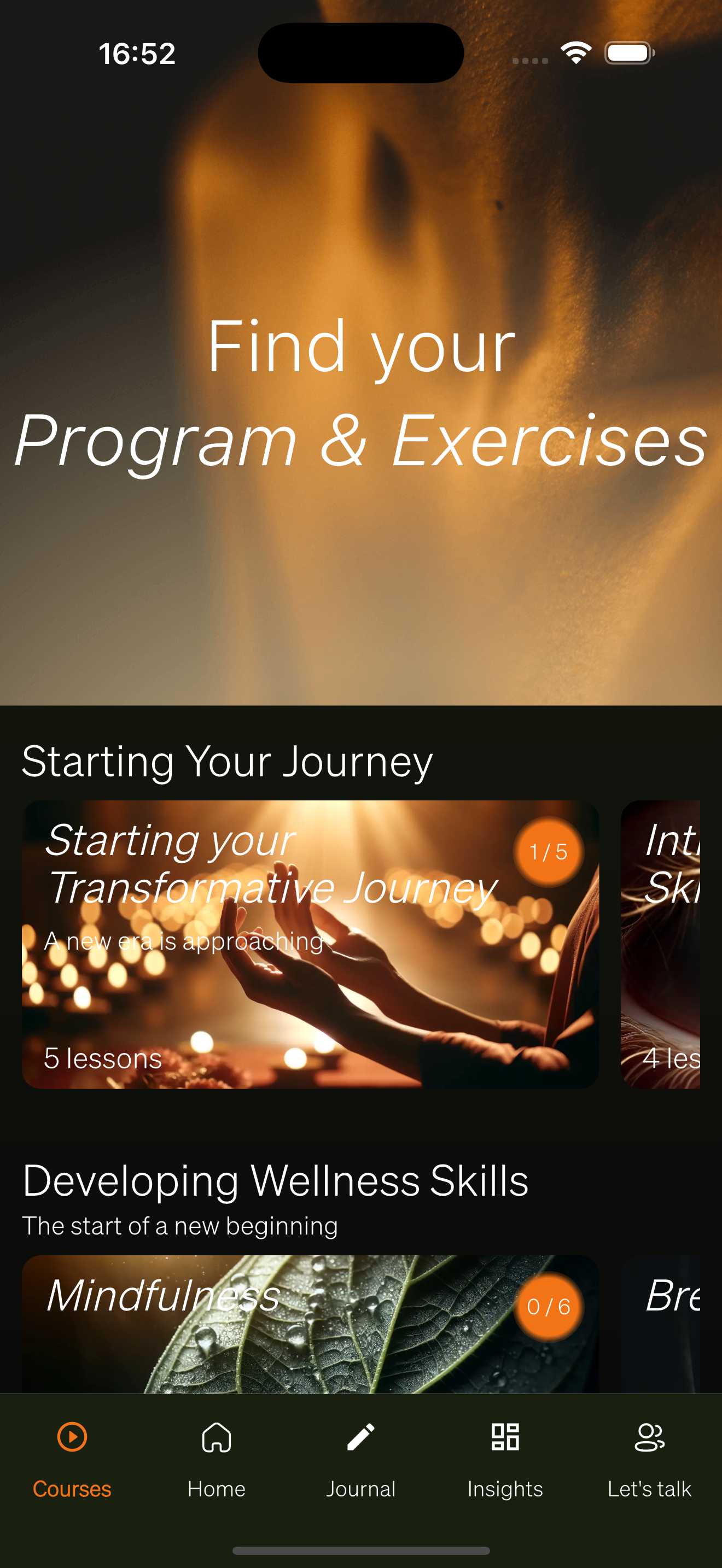
Get guided routines, ACT-informed education, and an interactive journal that helps you learn what works for you—plus a community to share the journey.
Refined with feedback from 0 + microdosers.
Instant delivery • iOS + Android
Already have a code? Download the app →Most people don't struggle with starting—they struggle with staying consistent, interpreting their experience, and knowing what to adjust. This app gives you a clear structure so you can learn from your process instead of guessing.
Grounded guidance, not hype. Short, practical lessons inspired by Acceptance & Commitment Therapy, developed with Dr. Edmund Neuhaus, PhD ABPP — board-certified clinical psychologist and Assistant Clinical Professor at Harvard Medical School for 25 years.
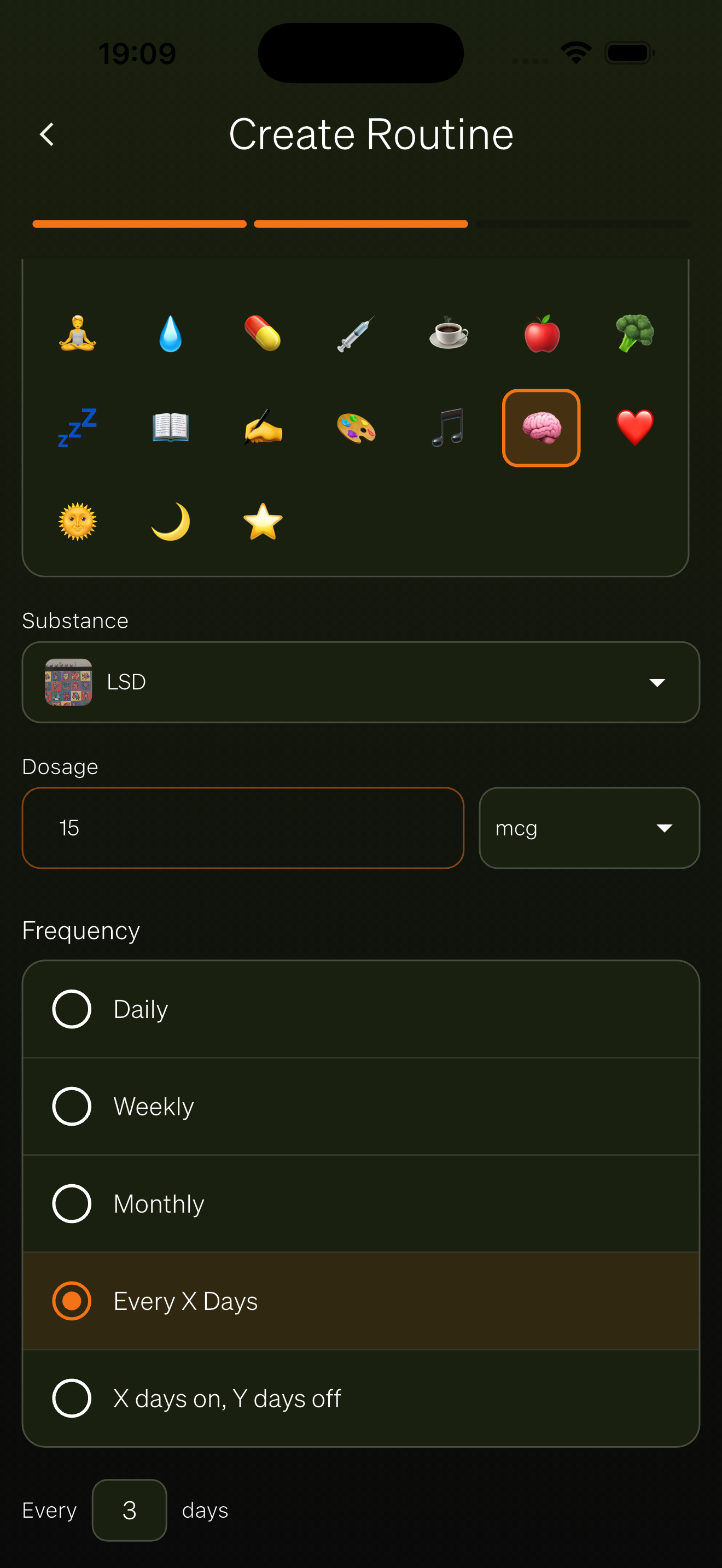
Pick a routine that fits your life (including dosing protocols), set intentions, and track consistency without overthinking.
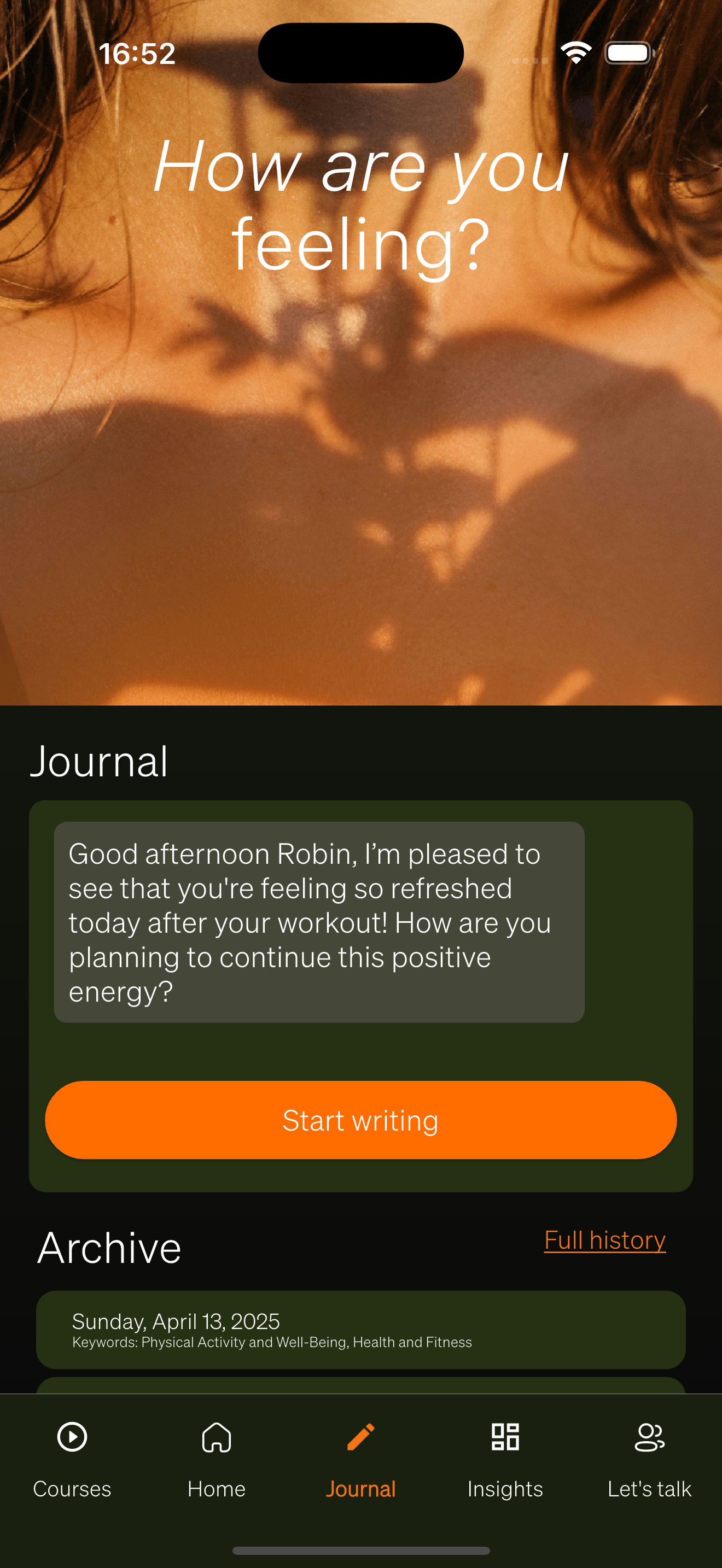
Instead of open-ended "how do you feel?" prompts, the journal guides you to notice what matters: patterns, context, habits, and changes.
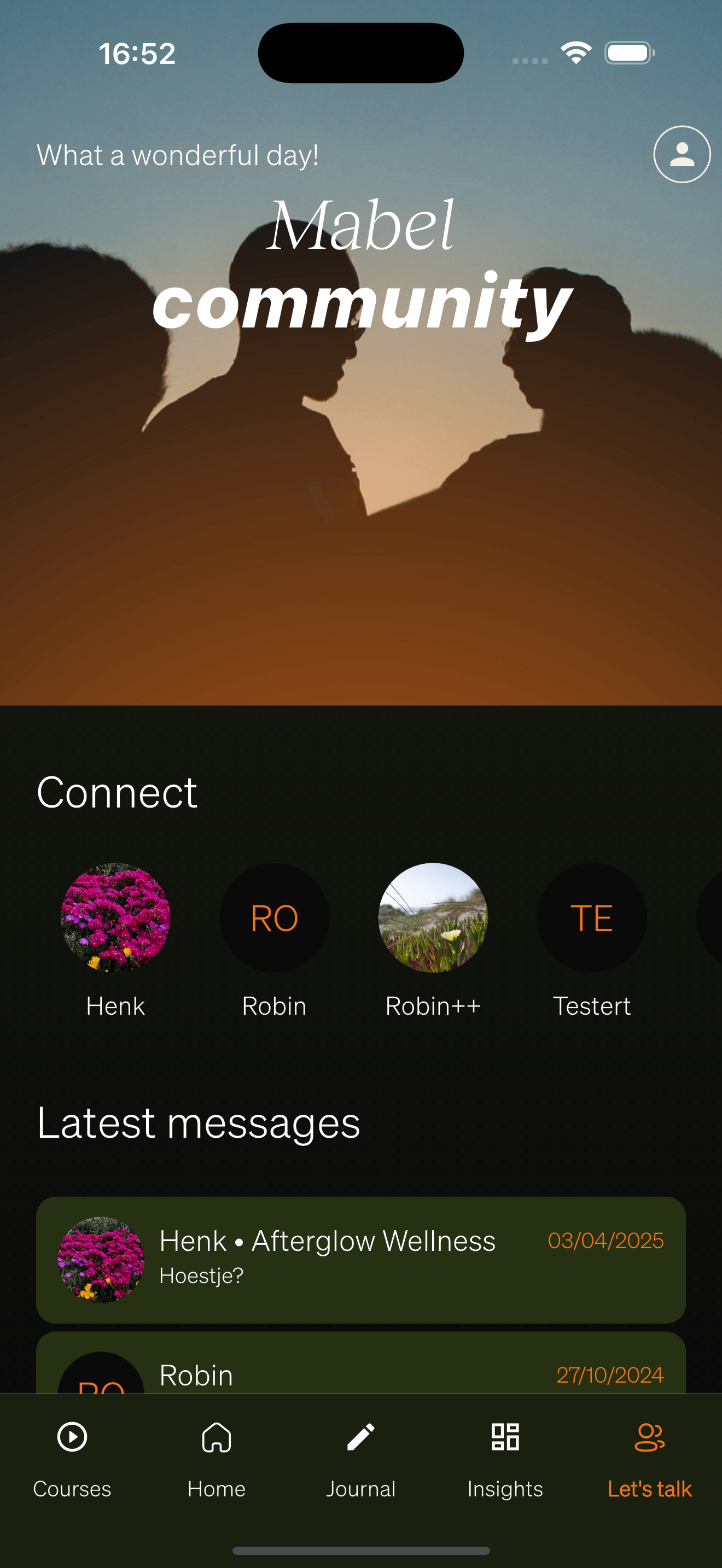
Read articles, share reflections, and connect with others who are taking this seriously. A more grounded signal-to-noise ratio.
Evidence-informed answers to the questions that matter most.
Microdosing is the practice of taking very small amounts of a psychedelic substance — amounts so low they don't produce noticeable perceptual changes like hallucinations or a feeling of being "high." The idea is that the dose remains sub-perceptual: subtle enough that you can go about your day normally, while potentially experiencing gentle shifts in mood, focus, or openness.
A microdose is typically around 5–10% of what would be considered a full psychedelic dose. For psilocybin-containing truffles, this usually means between 0.25 and 1 gram of fresh material. For dried psilocybin mushrooms, the range is typically 0.1–0.3 grams.
The practice has grown significantly in Western societies over the past decade, with thousands of people incorporating it into their wellness routines alongside practices like meditation, journaling, and breathwork.
Psilocybin, the active compound in certain mushrooms and truffles, is converted in the body to psilocin, which interacts with serotonin receptors in the brain — particularly the 5-HT2A receptor. At full doses, this produces the well-known psychedelic experience. At microdose levels, the interaction is far more subtle.
Some researchers believe that even small amounts may gently promote neuroplasticity — the brain's ability to form new connections and patterns. Others suggest that the effects people notice may be partly or fully explained by expectation and the placebo effect. The honest answer is that the science is still emerging, and we don't yet have a definitive explanation for how microdosing works at the neurological level.
What many practitioners report is a gentle sense of increased presence, openness, or emotional clarity — not a dramatic shift, but a subtle nudge toward noticing more.
Most people describe the experience as subtle — or sometimes, not noticeable at all. That's actually the point. A well-calibrated microdose should be sub-perceptual, meaning you shouldn't feel "altered" in any obvious way.
What some people do notice includes slight shifts in mood or energy, a gentle sense that colors seem a bit brighter or music sounds a touch richer (similar to what you might feel on a particularly good day), and a quality of openness that's hard to put into words.
If you experience visual distortions, difficulty concentrating, or feeling "high," that's a sign the dose was higher than intended — not dangerous, but an indication to adjust downward next time. The goal is supportive, not intrusive.
The scientific evidence on microdosing is genuinely mixed — and being transparent about that matters to us.
Many people report positive experiences in surveys and self-reports: improvements in mood, creativity, energy, and general wellbeing. A 2024 systematic review found a positive correlation between microdosing and improved mental well-being across multiple studies, though the authors noted significant limitations in study design and sample sizes [1].
However, placebo-controlled studies paint a more complex picture. A 2022 double-blind study found that low doses of psilocybin produced noticeable subjective effects and altered brain rhythms, but without clear evidence of enhanced wellbeing beyond placebo [2]. A 2025 study from Leiden University similarly found no significant effects on cognition compared to placebo [3].
On the other hand, a 2024 rapid review of 19 placebo-controlled studies argued that claims of microdosing being "purely placebo" are premature, citing evidence of dose-dependent effects and neurobiological changes [4].
What seems fair to say: microdosing might do something physiologically meaningful, or it might work primarily through expectation, or — most likely — it's some combination of both. The confident claims you may encounter online aren't necessarily supported by current evidence, but neither is a blanket dismissal.
Based on available research, microdosing has a generally favorable safety profile for most healthy adults. A 2020 systematic review found no significant adverse clinical events reported in the literature [6], and a 2022 review of psilocybin's safety across clinical trials found no verifiable recorded deaths [7].
That said, "generally safe" is not the same as "safe for everyone." Common side effects that some people report include mild headaches, nausea, changes in energy levels, sleep disturbances, and emotional amplification. These are typically mild and temporary, resolving within hours.
Microdosing is considered inappropriate for people with psychotic disorders (such as schizophrenia), Bipolar I disorder with a history of mania or psychosis, those taking lithium or MAOIs, people who are pregnant or breastfeeding, and anyone under 18.
A protocol is simply a schedule that structures when you microdose and when you rest. Rest days aren't optional — your body builds tolerance to psilocybin within 24 hours, so daily dosing quickly becomes ineffective.
Developed by Dr. James Fadiman. One day on, two days off, repeated for 4–8 weeks. The most widely discussed approach and often recommended for beginners.
Proposed by mycologist Paul Stamets. 4–5 days on, 2–3 days off, often combined with Lion's Mane mushroom and niacin ("stacking"). More intensive than Fadiman's approach.
Other common approaches include every-other-day and two-fixed-days-per-week schedules. What all protocols share: never daily dosing, built-in rest days, and time-limited cycles with periodic breaks.
The two most common substances used for microdosing are psilocybin (found in certain mushrooms and truffles) and LSD. The Afterglow course focuses primarily on psilocybin-containing truffles (sclerotia), as these are the most widely available in regulated markets.
Typical microdose ranges vary by substance and form: fresh psilocybin truffles (0.25–1 gram), dried psilocybin mushrooms (0.1–0.3 grams), and LSD (5–20 micrograms). Individual responses vary considerably based on body weight, metabolism, sensitivity, and specific potency of the material — which is why most guidance recommends starting at the low end and adjusting gradually.
While microdosing is generally considered to have a favorable safety profile for healthy adults, there are clear situations where it is not appropriate:
Extra caution is warranted if you have a family history of psychotic disorders, take SSRIs or SNRIs, have cardiovascular concerns, have Bipolar II, or experience severe anxiety.
When in doubt, consult a healthcare provider familiar with your situation. Choosing not to microdose is always a valid decision.
Explore our evidence-informed guides on protocols, safety, neuroscience, mental health, and more.
"The journaling feature completely changed how I approach my practice. Instead of guessing what works, I can actually see my patterns over weeks. It's like having a mirror for your mind."
"I was microdosing without any structure for almost a year. This app gave me a framework — the ACT lessons helped me understand why I was doing it, not just how. Way more intentional now."
"Finally an app that doesn't feel like it's selling me something. The community is thoughtful, the content is grounded, and the routine tracker keeps me consistent. Exactly what I needed."
"The emotion analysis on my journal entries was surprisingly accurate. It helped me notice that my best days weren't random — they followed a pattern I never would have caught on my own."
"As someone who facilitates microdosing retreats, I recommend Afterglow to all my participants. It gives them the structure and reflection tools to continue their journey after they leave."
We support intentionality, reflection, and building sustainable routines
We encourage starting low, going slow, and tracking your experience
We do not sell substances, and we do not provide medical advice
If you have a health condition or take medication, speak with a qualified professional
This app is for educational and self-reflection purposes only. It is not medical advice, diagnosis, or treatment. We do not sell or provide any substances.
One-time payment • Instant access
You'll receive your code instantly and by email. Then download the app and enter the code to unlock.
After downloading, open the app and enter your access code to unlock.

What exactly is a microdose?
A microdose is approximately 5–10% of a standard psychedelic dose — an amount low enough that it doesn't produce hallucinations, altered states, or impaired functioning. For psilocybin truffles, this typically means 0.25–1 gram of fresh material. The key principle is that the dose should be sub-perceptual: you should be able to go about your day normally.
Will I feel "high" or have hallucinations?
No. A properly calibrated microdose should not produce perceptual distortions, a feeling of being "high," or difficulty functioning normally. If you experience any of these, the dose was higher than intended. Some people notice subtle shifts — a slight lift in mood, colors seeming a bit more vivid — similar to what you might feel after a good night's sleep. Many people report not feeling anything obvious at all.
Is microdosing scientifically proven to work?
The evidence is genuinely mixed. Survey-based studies show many people report benefits including improved mood, creativity, and focus. However, placebo-controlled studies have produced less clear-cut results [2][3]. A 2024 review of 19 controlled studies argued it's premature to conclude either way, highlighting methodological limitations [4]. More rigorous, large-scale studies are needed before definitive claims can be made.
How long does a microdose last?
The effects of a psilocybin microdose, to the extent they are felt, typically last 4–6 hours. Some people notice subtle shifts for the rest of the day. Many practitioners report that the day after a microdose (sometimes called the "transition day") can also feel qualitatively different, which is part of why protocols include observation days.
Can I microdose while taking antidepressants?
SSRIs and SNRIs affect the same serotonin system as psilocybin. The current understanding suggests the risk of serotonin syndrome at microdose levels appears to be low, though not zero. SSRIs may also blunt or reduce effects. Importantly, you should never stop taking antidepressants specifically to microdose — discontinuation can cause serious withdrawal effects. Always consult your healthcare provider.
What are the possible side effects?
The most commonly reported side effects are mild and temporary: headaches, nausea or stomach discomfort, changes in energy levels, sleep disturbances (especially if taken later in the day), and emotional amplification. For most people, these resolve within hours. If you experience consistently negative effects, that's a signal to reduce the amount or pause entirely.
Are there any dangerous drug interactions?
Yes. Two combinations are considered genuinely dangerous: psilocybin with lithium (associated with seizures) and psilocybin with MAOIs (risk of serotonin syndrome, which can be life-threatening). If you take either of these medications, microdosing is strongly contraindicated. Other medications — including SSRIs, SNRIs, and tricyclic antidepressants — have interaction profiles that warrant careful consideration and a conversation with a healthcare provider.
Is microdosing addictive?
Psilocybin is not considered physically addictive. It does not produce the compulsive use patterns associated with substances like alcohol, opioids, or stimulants. The body builds rapid tolerance within 24 hours, which naturally discourages daily use. That said, psychological dependence on any practice is possible. All established protocols include regular breaks to help prevent habituation.
Which protocol should I start with?
If you're new to microdosing, the Fadiman Protocol (one day on, two days off) is the most commonly recommended starting point. It provides the clearest comparison between microdosing and non-microdosing days, and its simplicity makes it easy to follow. You can always adjust to other schedules later.
How do I find the right dose for me?
Start low (around 0.25–0.5g of fresh truffles) and adjust gradually. Choose a free day for your first few attempts so you can observe without pressure. Keep notes on what you took and what you experienced. Wait at least a few sessions before adjusting upward. The goal is an amount that feels supportive without being noticeable.
How long should I microdose before taking a break?
Most guidance suggests following your chosen protocol for 4–8 weeks, then taking a break of 2–4 weeks. Breaks allow tolerance to fully reset, give you perspective on what has actually changed, help prevent psychological dependence, and provide time to integrate any insights or shifts that have occurred.
Should I keep a journal while microdosing?
Tracking your experience is one of the most consistently recommended practices across all microdosing approaches. A simple daily note — date, whether you microdosed, mood and energy levels, anything notable, and sleep quality — can reveal patterns over time and counter selective memory. Even a few words per day can be valuable.
Can I microdose and still go to work?
At the right dose, yes. A properly calibrated microdose should not impair your ability to function. Many people microdose on regular workdays without issue. For your first few sessions, starting on a day without obligations is wise. Also avoid driving on your first few microdosing days until you know how you respond.
Is microdosing legal?
The legal status of psilocybin varies significantly by jurisdiction. In many countries and most US states, psilocybin remains a controlled substance, and possession can carry criminal penalties. Some places have decriminalised or created exceptions. In the Netherlands, psilocybin-containing truffles are legally available. It is your responsibility to understand and comply with the laws where you live.
Does Afterglow recommend microdosing?
No. Afterglow provides educational information and supportive practices for people who are exploring microdosing on their own. Nothing in the app constitutes medical advice, a treatment plan, or a recommendation. The app is a companion — it sits beside you while you figure out what works for you, without pressure or promises. Many of the practices we teach (mindfulness, self-compassion, integration skills) are valuable entirely on their own.
How do I receive my code?
Instantly on-screen after payment, plus we'll send it to your email for safekeeping.
How do I use the code?
Download the app from the App Store or Google Play, open it, and enter your code on the unlock screen.
Is this a subscription?
No—it's a one-time €10 payment for full access. No recurring charges.
Does it work on iPhone and Android?
Yes, Afterglow is available on both iOS and Android devices.
I lost my code—what now?
Check your email receipt. If you still can't find it, contact us at robin@afterglow.ag
Is my journal private?
Yes. Your journal entries are encrypted and only visible to you. See our Privacy Policy for details.
Is this medical advice?
No. Afterglow is for educational and self-reflection purposes only. We don't provide medical advice, diagnosis, or treatment.
Can I share my code?
Each code is designed for one person. Sharing may result in access issues for both users.
All content on this website is for informational and educational purposes only. Nothing herein constitutes medical advice, therapeutic guidance, or a recommendation for any particular course of action.
Mental health advocate with expertise in emotional intelligence and intentional practices. Chair of the Dutch Microdosing Association and founder of Fold, a retreat center for healing and self-discovery. Samuel is dedicated to empowering individuals and practitioners to create lasting, positive change.
Self-taught software engineer specialising in building systems that solve real problems. Robin brings a deep interest in depth psychology and psychedelics to the technical side, creating tools that are both meaningful and reliable.
Board-certified clinical psychologist and Assistant Clinical Professor at Harvard Medical School for 25 years. Former Director at McLean Hospital with pioneering work in CBT, digital therapeutics, and the Behavioral Psychedelics model integrating evidence-based approaches with psychedelic-assisted wellness.
Afterglow's therapeutic content is built on Acceptance and Commitment Therapy (ACT) — a well-established framework that helps people develop psychological flexibility. Rather than fighting difficult emotions, ACT validates your experience and helps you take meaningful action aligned with your values.
We believe microdosing works best when paired with intention, reflection, and structure. That's why every feature in Afterglow — from the education modules to the journal prompts — is designed to help you build awareness, not just follow a protocol.
Download Afterglow on your phone and begin microdosing with intention, structure, and support.